Hair Transplant Cost in Malaysia: What Price Per Graft Really Covers (2026)
This is a price-context guide rather than a prompt to book anything. It sets out how Malaysian clinics build the number, which parts of it move after consultation, and the registration checks that have to come before any price comparison means much.
A Malaysian hair transplant is almost never sold as a price. It is sold as a rate — so many ringgit per graft — and the number that eventually lands on the invoice depends on a graft count nobody can fix until the scalp has been examined.
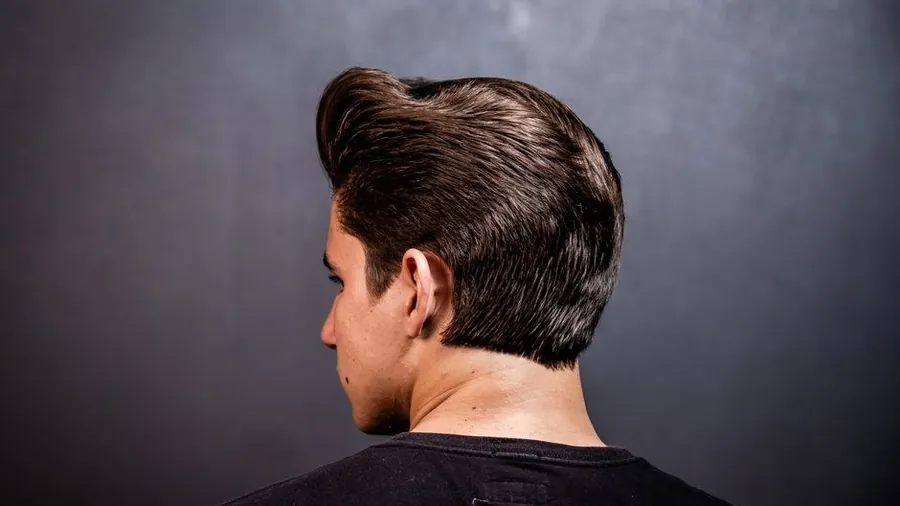
The unit is a graft, and a graft is not a hair
A follicular unit graft carries one to four hairs. Two clinics quoting the same rate can therefore deliver noticeably different coverage for the same money, because the donor area on one head yields denser units than on another.
Rates also slide with volume. Malaysian price guides describe the per-graft figure falling as the session grows, which is why a headline rate taken from a small case rarely survives contact with a 3,000-graft plan — in either direction.
| Technique | Published band (RM per graft) | How it is described | Notes |
|---|---|---|---|
| FUT, strip harvest | 5 – 10 | Donor strip removed, units divided | Usually the lowest advertised rate |
| FUE, punch extraction | 6 – 12 | Units taken individually | The band quoted most often in 2026 |
| DHI implanter pen | 10 – 18 | Extraction and placement combined | Sources disagree most on this tier |
| Robotic or device-assisted | 12 and above | Marketed as a premium option | Rarely carries a published ceiling |
| Beard or eyebrow work | Not published | Priced case by case | Small counts, higher unit rates cited |
| Second session or touch-up | Not published | Planned after the first result settles | Ask whether it is inside the original fee |
| Non-surgical scalp programmes | Not published | Sold per session or per package | A different product; no grafts involved |
That last row causes most of the confusion. Trichology centres and clinic scalp programmes are priced by the session, so their advertised figures are not comparable with a per-graft rate at all.
Turning a rate into a total
Malaysian sources put the overall market roughly between RM8,000 and RM30,000, with a mid-size FUE session landing in the high teens. The arithmetic below simply multiplies the published FUE band by common graft counts, so it shows the spread rather than any clinic’s offer.
| Graft count | At RM6 per graft | At RM12 per graft | Commonly described as |
|---|---|---|---|
| 1,000 grafts | RM6,000 | RM12,000 | Hairline refinement |
| 1,500 grafts | RM9,000 | RM18,000 | Front third, partial |
| 2,000 grafts | RM12,000 | RM24,000 | Frontal restoration |
| 3,000 grafts | RM18,000 | RM36,000 | Front and mid-scalp |
| 4,000 grafts | RM24,000 | RM48,000 | Large single session |
Real quotations sit lower than the right-hand column at high volumes because of the sliding scale, and the extras sit outside all of it: consultation, blood work, medication, post-operative washes and review visits. Ask which of those are inside the figure, the same line-item discipline our guide to package contracts applies to bundled offers.

Klang Valley context: this is not a walk-in market
In a scan of 2,593 beauty and aesthetic businesses across the Klang Valley, 752 were hair salons and 473 carried an aesthetic-clinic classification. Fewer than ten of those listings mention hair restoration or hair-loss work of any kind in their business name.
The few that do are scattered rather than clustered — single addresses in Sri Hartamas, Subang Jaya, Shah Alam, Cheras, Setapak and Puchong — which is the opposite of the salon pattern, where dozens of shops share one street. Surgical hair work behaves as a destination service, so proximity is a weak filter and travelling across the valley for a consultation is normal. Salon pricing, by contrast, really does move street by street, as the quotes in our Kepong rebonding guide show.
Location still touches the invoice. Specialist centres in central Kuala Lumpur are described as charging roughly 15 to 20 per cent above clinics elsewhere, which mostly reflects premises and review fees rather than a different operation.
The registration check comes first
Aesthetic practice in Malaysia sits under the Private Healthcare Facilities and Services Act 1998 and the Ministry of Health Guidelines on Aesthetic Medical Practice. Hair transplantation is a medical procedure, so it belongs to a registered medical practitioner working in a facility registered under that Act.
The Letter of Credentialing and Privileging that clinics advertise is issued by the Ministry of Health credentialing committee, is valid for three years, and covers a defined list of procedures. Holders are entered in the national registry the Medical Practice Division maintains, so the claim is checkable.
| Check | What to ask for | Why it matters |
|---|---|---|
| Practitioner registration | Full name and MMC registration | Verifiable against the public register |
| Practising certificate | Current Annual Practising Certificate | Required alongside registration |
| LCP scope | Which procedures it covers, and its expiry | The list is defined; three-year validity |
| Facility registration | Registration under the 1998 Act | Salon premises are not clinical premises |
| Who does the extraction | The named operator, step by step | Technician involvement varies by clinic |
| Graft count basis | Estimated, guaranteed or counted on the day | Decides whether the total can move |
What to settle at consultation
Four questions do most of the work: how the graft count was estimated, what happens to the price if the count changes in theatre, which follow-up visits are included, and what a second session would cost if the plan anticipates one.
Written quotations that itemise those points are easier to compare than a rate quoted over the phone. The same is true of any surgical estimate, including the eyelid figures we broke down in the double eyelid price guide.
Frequently asked questions
Why do two clinics quote such different rates? Technique, session size and what sits inside the fee. A DHI figure and an FUT figure are not describing the same afternoon, and one may include medication and reviews while the other does not.
Is a cheaper rate per graft a worse result? Rate alone does not answer that. The variables that matter clinically — donor supply, graft handling, who performs each step — are not visible in a price list, which is why the registration and scope questions come before the number.
Does insurance cover it? Malaysian medical policies generally exclude cosmetic procedures. Where hair loss follows an injury or a medical condition, the assessment differs, and that is a question for your insurer and your doctor rather than the clinic counter.
This article is general information, not medical advice. Treatment decisions belong with you and a registered practitioner.
All content is fact-checked under our editorial standards.