Double Eyelid Surgery Price in Malaysia: Suture vs Incision (2026)
This is a price-context guide, not a recommendation to have anything done. It sets out what the published Malaysian numbers actually describe, which parts of a quote usually sit outside it, and the registration checks that come before any comparison of price is meaningful.
Two Malaysian clinics can quote RM2,800 and RM11,000 for what a price list calls the same thing. The gap is not haggling room. “Double eyelid surgery” covers several different operations, performed under different credentials, in facilities licensed to different standards.
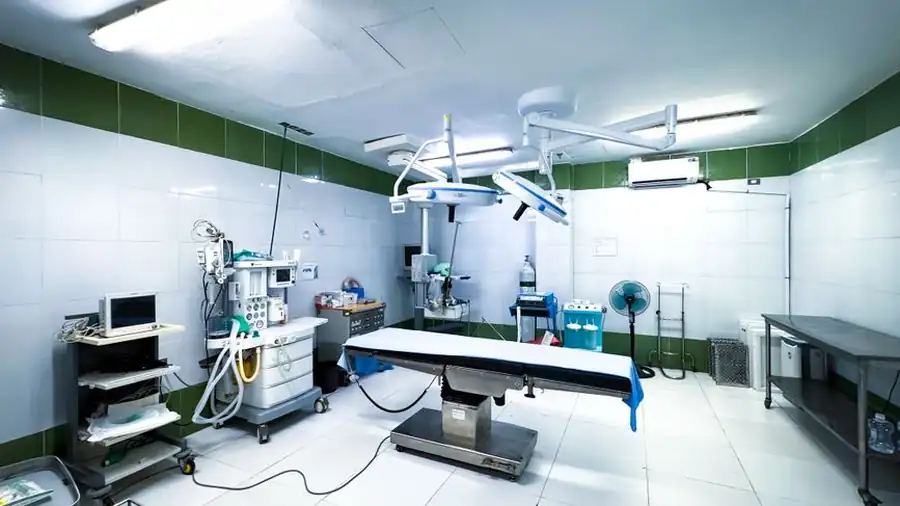
One name, three different operations
The non-incisional or suture method creates a crease with stitches through small punctures. The incisional method removes a strip of skin and often fat, then fixes the crease surgically. A partial-incision approach sits between them. They differ in operating time, in recovery, and in whether the result is expected to hold indefinitely — so a shared headline hides three separate products.
Malaysian clinic pages and cost guides publish the following bands for 2026. They are ranges collected from price pages and medical-travel listings, not quotations, and none of them replaces an in-person assessment.
| Procedure | Published range (RM) | Typical downtime cited | Notes |
|---|---|---|---|
| Suture, non-incisional | 2,000 – 5,000 | 3 – 5 days | One KL clinic publishes about 4,500 |
| Incisional, procedure fee | 3,500 – 5,000 | 7 – 10 days | Fee band before theatre and anaesthesia |
| Incisional, bundled package | 7,550 – 12,300 | 7 – 10 days | Where facility charges are included |
| Upper blepharoplasty | 3,500 – 9,000 | About 1 week | Widest disagreement between sources |
| Lower blepharoplasty | 5,000 – 12,000 | About 1 week | Eye-bag work; complexity drives the top end |
| Upper and lower combined | 8,000 – 14,000 | About 1 week | Usually priced below the two separately |
| Ptosis correction | Not published | Not published | Assessed case by case; changes the plan |
| Epicanthoplasty | Not published | Not published | Offered as an add-on, rarely priced openly |
| Revision surgery | Not published | Not published | Scar tissue makes theatre time unpredictable |
Two patterns are worth reading out of that table. The lowest advertised numbers almost always describe the suture method, and the entries with no published price are the ones most likely to be added at consultation.
What the headline figure usually leaves out
A low advertised price is often a procedure fee rather than a total. Malaysian sources are consistent that anaesthesia, theatre time and aftercare are frequently billed on top, and general anaesthesia alone is commonly quoted at RM2,000 to RM4,000.
The honest comparison is therefore not clinic A against clinic B, but the same list of line items priced twice: surgeon fee, anaesthesia and who administers it, facility or theatre charge, medications and dressings, the number of follow-up reviews included, and what a revision would cost if one is needed. The same logic applies to any bundled aesthetic offer, which our guide to reading package contracts works through in more detail.
The registration check comes before the price check
Aesthetic practice in Malaysia sits under the Private Healthcare Facilities and Services Act 1998, the Ministry of Health Guidelines on Aesthetic Medical Practice, and the Malaysian Medical Council guidance on ethical aesthetic practice. Under that framework, invasive surgical work is the province of a surgeon with the relevant specialist registration, carried out in a facility registered under the Act.
The Letter of Credentialing and Privileging, the LCP that clinics advertise, is issued by the Ministry of Health credentialing committee and authorises a defined list of largely non-invasive aesthetic procedures. It is a credential, not a surgical qualification, and it does not by itself indicate that the holder may perform incisional eyelid surgery.
| Check | What to ask for | Why it matters |
|---|---|---|
| Practitioner registration | Full name and registration category | Verifiable against the public medical registers |
| Specialist status | Whether the operator is on the National Specialist Register | Invasive surgery falls under specialist scope |
| LCP scope | Which procedures the LCP covers | The list is defined and does not cover everything |
| Facility licence | Registration under the 1998 Act | Beauty premises are not licensed for surgery |
| Who operates on the day | The named individual, not the brand | Credentials attach to a person |
Where surgical eyelid work actually happens
In a scan of 2,593 beauty and aesthetic businesses across the Klang Valley, 473 carried an aesthetic-clinic classification. Only a minority of those are listed as medical clinics or medical centres at all, and four carry plastic-surgery naming. Density of aesthetic signage on a street says nothing about where surgery can lawfully be performed.
The distribution is also flatter than the property market suggests. Petaling Jaya led with 51 aesthetic addresses, Setapak 50, Shah Alam 48, Bukit Bintang 47 and Subang Jaya 46, while high-rent enclaves such as Mont Kiara and KLCC returned only a handful each. What the prime addresses tend to carry is a higher consultation and review fee rather than a different tier of surgery, a pattern we also traced in the Bukit Bintang clinic scene.

Frequently asked questions
Is the suture method cheaper overall? It is cheaper on the day. Clinics generally describe it as less durable than an incisional crease, so the question to put to the surgeon is what happens, and what it costs, if the crease loosens later.
Why do quotes from abroad look lower? Cross-border listings often quote a surgeon fee without theatre, anaesthesia, accommodation or the return trip for review. Compare the full line-item list or the comparison is not real. The same distortion appears in nose surgery pricing, covered in our rhinoplasty cost guide.
Will insurance cover it? Purely cosmetic procedures are typically excluded from Malaysian medical policies. Where a functional problem such as ptosis is involved, the assessment differs, and that is a question for your insurer and your doctor rather than the clinic counter.
This article is general information, not medical advice. Treatment decisions belong with you and a registered practitioner.
All content is fact-checked under our editorial standards.